Top 5 Dental Care Tips Backed by Science | Dr. Sushma Patne
Dr. Sushma Patne on 22 March, 2026
Good oral health is not just about having a bright smile it is a window to your overall well-being. As a practicing dentist at Toothfirst Dental Care, I, Dr. Sushma Patne, have seen countless patients who develop serious dental issues simply because they were following outdated advice or skipping essential habits.
The good news is that most dental problems are entirely preventable. With the right dental care tips and consistent habits, you can keep your teeth healthy for a lifetime.
In this article, I will share the top 5 dental care tips based on current scientific evidence and decades of clinical experience. Let’s dive in.
Why Dental Care Matters?
Before we get into the tips, let’s look at why proper dental care is so critical:
According to the World Health Organization (WHO) , nearly 3.5 billion people worldwide suffer from oral diseases, with dental caries (cavities) being the most common .
In India, the National Oral Health Survey reports that over 85% of adults suffer from some form of gum disease .
Studies show that poor oral hygiene is linked to serious systemic conditions, including cardiovascular disease, diabetes complications, and respiratory infections .
These numbers are alarming, but they also highlight an opportunity: with proper care, most of these conditions are preventable.
Top 5 Dental Care Tips for a Healthy Smile
Tip #1: Master the Art of Brushing (It’s Not Just About Doing It)
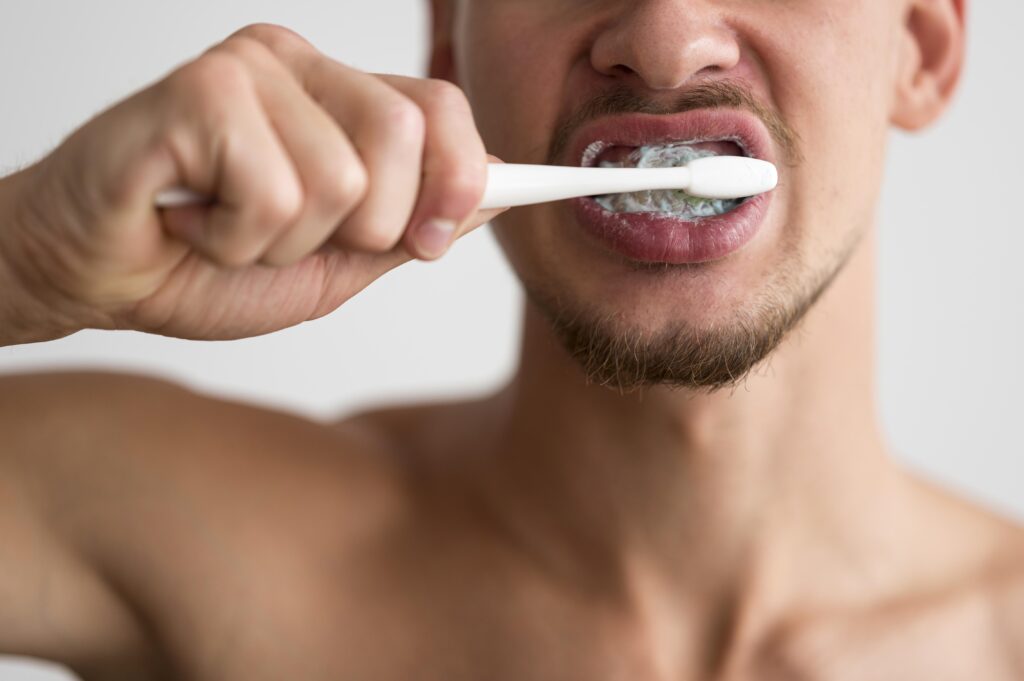
Most people brush their teeth, but few do it correctly. Proper brushing technique is the foundation of all dental care tips.
The Right Way to Brush:
Duration: Brush for a full 2 minutes, twice a day. The average person brushes for only 45 seconds .
Technique: Hold your brush at a 45-degree angle to your gums. Use gentle, circular motions—not aggressive back-and-forth sawing.
Bristle Type: Use a soft-bristled toothbrush. Medium or hard bristles can erode enamel and damage gums over time .
Toothpaste: Use a fluoride toothpaste. Fluoride strengthens enamel and reduces the risk of cavities by up to 25%.
Fact: A study published in the Journal of Dental Research found that people who brush for two minutes twice daily have 35% fewer cavities than those who brush less frequently .
Don’t Forget: Replace your toothbrush every 3 to 4 months, or sooner if the bristles are frayed. A worn-out brush cleans less effectively .
Tip #2: Floss Daily—The Half of Your Mouth You’re Missing
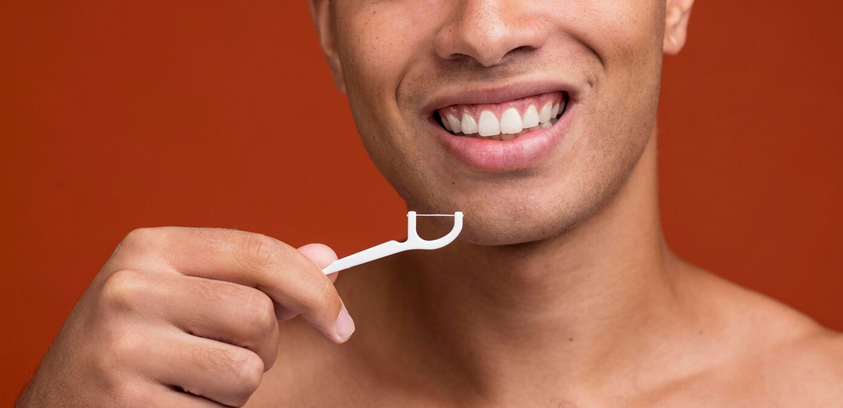
If you only brush and skip flossing, you are leaving about 40% of your tooth surfaces uncleaned . Flossing is not optional; it is essential.
Why Flossing Matters:
Your toothbrush cannot reach the tight spaces between teeth where plaque accumulates.
Plaque left between teeth hardens into tartar (calculus) , which can only be removed by a professional cleaning.
Gum disease (gingivitis) almost always starts between the teeth exactly where flossing matters most.
How to Floss Correctly:
- Use about 18 inches of floss.
- Gently slide it between teeth, curving it into a “C” shape against each tooth.
- Go slightly below the gumline, but avoid snapping the floss, which can cause gum injury.
Fact: According to the American Dental Association (ADA) , flossing daily can reduce your risk of gum disease by up to 40% .
Also Read: Flossing by American Dental Association
Tip #3: Watch What You Eat—Your Diet Shapes Your Teeth

Your mouth is the gateway to your body, and what you eat directly impacts your dental health. This is one of the most overlooked dental care tips.
Foods to Limit:
Sugary foods and drinks: Sugar feeds the bacteria in your mouth, which produce acid that erodes enamel. A single can of soda contains 7 to 10 teaspoons of sugar .
Sticky candies: Caramels, toffees, and dried fruits cling to teeth, prolonging acid exposure.
Acidic foods: Citrus fruits, pickles, and vinegar-based foods can erode enamel over time if consumed excessively.
Foods That Protect Your Teeth:
Dairy products: Cheese, milk, and yogurt are rich in calcium and casein, which strengthen enamel and neutralize acids.
Crunchy fruits and vegetables: Apples, carrots, and celery stimulate saliva production your mouth’s natural defense against cavities.
Green tea: Contains polyphenols that reduce bacteria and inflammation .
Water: Fluoridated water is one of the best tools for preventing cavities.
Fact: The National Institute of Dental and Craniofacial Research reports that consuming sugary snacks more than three times a day significantly increases cavity risk, regardless of total sugar intake .
Tip #4: Don’t Skip Professional Cleanings and Checkups
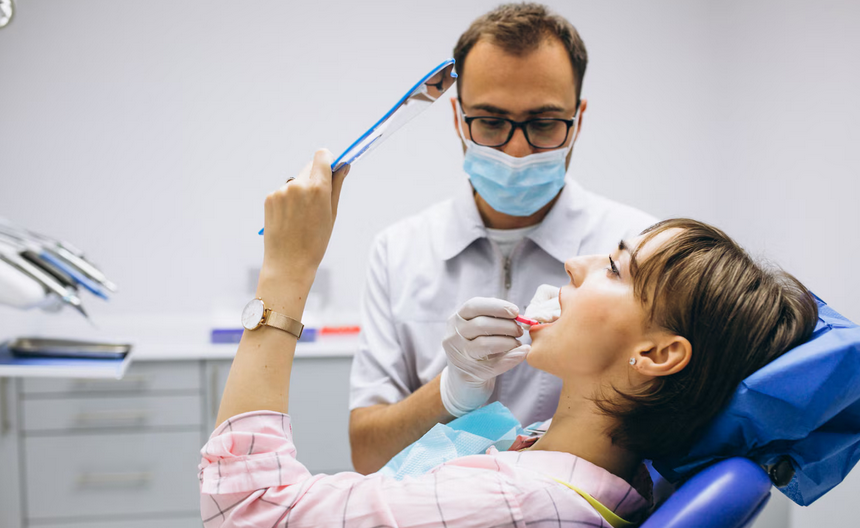
Even with impeccable home care, professional intervention is essential. This is where many people fall short.
Why You Need Regular Dental Visits:
Plaque becomes tartar: Once plaque hardens into tartar, no amount of brushing or flossing can remove it. Only a professional dental cleaning can .
Early detection: Cavities, gum disease, and even oral cancer are often asymptomatic in early stages. Regular checkups catch problems when they are small, simple, and affordable to treat.
Systemic health: Your dentist can often spot signs of systemic conditions like diabetes, vitamin deficiencies, and even certain cancers during an oral exam .
Recommended Frequency:
- Every 6 months for most adults and children.
- Every 3 to 4 months for individuals with gum disease, diabetes, or a history of frequent cavities.
Fact: According to the Centers for Disease Control and Prevention (CDC) , adults who visit the dentist regularly have 50% lower rates of tooth loss compared to those who only visit when in pain.
Tip #5: Stay Hydrated—The Power of Saliva

One of the simplest yet most powerful dental care tips is often forgotten: drink enough water and keep your mouth hydrated. Your saliva is your mouth’s first line of defense, yet most people do not realize how critical it is.
Why Saliva Matters:
A dry mouth (xerostomia) creates the perfect environment for bacteria to thrive, leading to rapid cavity formation, gum disease, and bad breath .
Saliva is your mouth’s natural cleansing agent. It washes away food particles and neutralizes acids produced by cavity-causing bacteria .
It contains enzymes, antibodies, and minerals (like calcium and phosphate) that actively fight bacteria and help remineralize enamel .
How to Protect Your Salivary Function:
Drink water throughout the day: Aim for at least 8 to 10 glasses daily. Water keeps your mouth moist and helps rinse away debris .
Limit dehydrating beverages: Coffee, alcohol, and sugary drinks can contribute to dry mouth. If you consume them, follow with water .
Chew sugar-free gum: Chewing stimulates saliva flow. Look for gum containing xylitol, a natural sweetener that also inhibits bacterial growth.
Fact: According to the American Dental Association, individuals with chronic dry mouth have three times the risk of developing cavities compared to those with normal saliva flow .
Bonus: Common Dental Care Myths Debunked
| Myth | Truth |
|---|---|
| “Whiter teeth are healthier teeth.” | Tooth color varies naturally. Healthy teeth can be off-white. Whitening does not improve health. |
| “If my gums bleed, I should stop flossing.” | Bleeding gums are a sign of inflammation. Continuing to floss gently will actually help resolve it within days. |
| “Sugar-free soda is safe for teeth.” | Sugar-free sodas are still highly acidic and can erode enamel just like regular soda. |
| “Children don’t need to see a dentist until they have all their teeth.” | The ADA recommends a first dental visit by age 1 or within 6 months of the first tooth erupting . |
Frequently Asked Questions (FAQs)
Q1. How often should I really replace my toothbrush?
You should replace your toothbrush every 3 to 4 months, or sooner if the bristles look frayed. A worn toothbrush cleans less effectively and can harbor bacteria .
Q2. Is mouthwash necessary for good oral hygiene?
Mouthwash is a helpful addition but not a replacement for brushing and flossing. Therapeutic mouthwashes with fluoride or antibacterial ingredients can reduce plaque and gingivitis, but they should be used as a supplement not a substitute .
Q3. Can I brush my teeth immediately after eating acidic foods (like oranges or soda)?
No. Acidic foods soften your enamel temporarily. Brushing immediately can actually wear away softened enamel. Wait at least 30 to 60 minutes after eating acidic foods before brushing .
Q4. What is the best toothpaste for adults?
A fluoride toothpaste is the most important choice. Beyond that, select based on your specific needs: sensitivity (potassium nitrate), tartar control, or whitening. Always look for the ADA Seal of Acceptance or similar certification .
Q5. How do I know if I have gum disease?
Common signs include: red, swollen, or tender gums; bleeding while brushing or flossing; persistent bad breath; receding gums; and loose teeth. If you notice any of these, schedule a dental visit promptly .
Q6. Are electric toothbrushes better than manual ones?
Studies show that electric toothbrushes (especially those with oscillating-rotating heads) are slightly more effective at reducing plaque and gingivitis compared to manual brushes . However, proper technique matters more than the tool itself.
Q7. Can cavities be reversed naturally?
Very early cavities (incipient lesions) can sometimes be remineralized with fluoride and excellent oral hygiene. However, once a cavity forms a visible hole (cavitation), it requires a filling .
Q8. What should I do if I have a dental emergency?
For a knocked-out tooth, keep it moist (in milk or saline) and see a dentist within 30 minutes for the best chance of saving it. For severe pain, swelling, or bleeding, contact your dentist immediately .
Take Charge of Your Dental Health Today
Your smile is one of your most valuable assets, and maintaining it doesn’t have to be complicated. By following these dental care tips consistently brushing correctly, flossing daily, eating smart, visiting your dentist regularly, and protecting your teeth you can avoid painful, expensive dental problems down the road.
At Toothfirst Dental Care, Dr. Sushma Patne and our dedicated team are here to partner with you on your oral health journey. Whether it’s time for your routine checkup, you have a specific concern, or you simply want personalized advice, we welcome you.
Let Toothfirst Dental Care help you achieve a healthier, brighter smileone appointment at a time.
Dr. Sushma Patne is a practicing dentist at Toothfirst Dental Care, committed to providing compassionate, evidence-based dental care to the Mumbai community.