Oral Health Tips for Kids: A Guide for Kid’s Healthy Smiles
Dr. Sushma Patne on 30 April, 2026
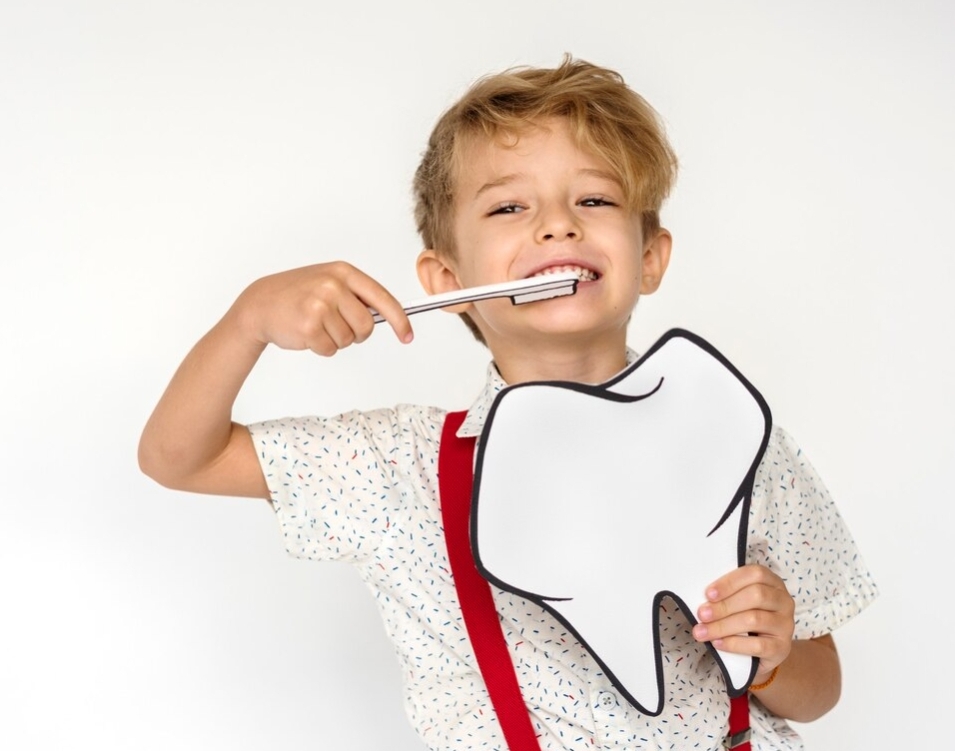
As a parent, you want the very best for your child. You ensure they eat nutritious meals, get enough sleep, and stay physically active. But one aspect of child health that is often overlooked until a problem arises is oral health. Dental cavities remain one of the most common chronic diseases of childhood, affecting millions of children worldwide. The good news is that tooth decay is entirely preventable with the right habits and guidance.
If you are searching for oral health tips for kids or wondering how to keep kids teeth healthy, this comprehensive guide provides evidence-based, practical advice that every parent needs. At Toothfirst Dental Care in Borivali West, Mumbai, led by Dr. Sushma with over 16 years of clinical experience, we are committed to helping families build a foundation of lifelong oral health.
This article also presents the top 5 tips for kid’s healthy teeth , summarised in a simple, actionable format for busy parents.
Why Oral Health for Kids Matters
Many parents assume that dental health becomes important only after permanent teeth erupt. This assumption is incorrect and potentially harmful. Primary teeth, commonly called baby teeth, serve several critical functions:
- They enable proper chewing and nutrition
- They guide the eruption of permanent teeth into correct positions
- They support normal development of the jawbones and facial muscles
- They aid in speech development
- They reserve space for permanent teeth
Premature loss of baby teeth due to decay can lead to crowding, misalignment, and the need for orthodontic treatment later in life. Establishing good oral hygiene habits in childhood also sets the stage for a lifetime of healthy teeth and gums.
Top 5 Tips for Kid’s Healthy Teeth
For parents seeking a quick, actionable summary, here are the top 5 tips for kid’s healthy teeth. Each tip is explored in greater detail later in this article.
Tip 1: Start Oral Care Before the First Tooth Appears
Oral hygiene should begin before your child has visible teeth. Wipe your baby’s gums with a clean, damp cloth after each feeding. This removes bacteria and establishes a routine of oral care.
Tip 2: Brush Correctly with Fluoride Toothpaste
For children aged 3 to 6 years, use a pea-sized amount of fluoride toothpaste. Brush twice daily for two minutes each time. Supervise brushing to ensure your child does not swallow toothpaste.
Tip 3: Limit Sugary Foods and Drinks
Frequent consumption of sugar is the primary cause of tooth decay. Limit sugary snacks, fruit juices, sodas, and sticky sweets. Encourage water as the primary beverage between meals.
Tip 4: Schedule Regular Dental Visits
Your child should visit a dentist by their first birthday or within six months of the first tooth erupting. Regular check-ups every six months allow for professional cleaning, fluoride application, and early detection of problems.
Tip 5: Make Oral Health Fun
Children are more likely to embrace oral hygiene when it is enjoyable. Use colourful toothbrushes, flavoured toothpaste, reward charts, and brushing apps to keep your child engaged.
Detailed Oral Health Tips for Kids by Age Group
Oral care requirements change as your child grows. Here are age-specific guidelines to keep your child’s smile healthy at every stage.
Infancy (Birth to 12 Months)
Even before teeth appear, bacteria can colonise your baby’s mouth. Establishing early hygiene habits prevents the transmission of decay-causing bacteria from caregiver to child.
- Wipe gums with a soft, damp cloth after each feeding
- Never put your baby to bed with a bottle filled with milk, formula, juice, or any sweetened liquid. This practice, known as baby bottle tooth decay, can cause severe and rapid decay
- Clean pacifiers and bottle nipples with water, not your saliva. Saliva contains bacteria that can be transmitted to your baby
- Schedule your child’s first dental visit by their first birthday
Toddlers (1 to 3 Years)
As more teeth erupt, the risk of decay increases. Toddlers are also prone to nursing caries, particularly if they fall asleep while breastfeeding or bottle-feeding.
- Begin brushing with a soft-bristled toothbrush designed for infants
- Use a smear of fluoride toothpaste (the size of a grain of rice)
- Brush twice daily, particularly before bedtime
- Encourage your toddler to spit out toothpaste rather than swallow it
- Wean off the bottle between 12 and 18 months of age
Preschoolers (3 to 5 Years)
At this age, children often want to brush independently. Supervision remains essential to ensure thorough cleaning and to prevent toothpaste swallowing.
- Use a pea-sized amount of fluoride toothpaste
- Supervise brushing and assist your child to ensure all tooth surfaces are cleaned
- Begin flossing when any two teeth touch each other
- Limit sticky snacks such as raisins, dried fruit, and gummy candies
- Continue regular dental visits every six months
School-Aged Children (6 to 12 Years)
This age range typically sees the eruption of permanent molars (six-year molars) and premature loss of baby teeth. Orthodontic issues may also become apparent.
- Continue twice-daily brushing with fluoride toothpaste
- Introduce an alcohol-free, fluoride mouthwash if recommended by Dr. Sushma
- Consider dental sealants for permanent molars. Sealants are thin, protective coatings applied to the chewing surfaces of back teeth, preventing up to 80% of cavities
- Encourage your child to wear a mouthguard during contact sports
- Monitor for signs of orthodontic issues including crowding, thumb sucking, or difficulty chewing
Teenagers (13 to 18 Years)
Teenagers face unique oral health challenges including orthodontic appliances, eating disorders, tobacco use, and oral piercings.
- Reinforce twice-daily brushing and daily flossing, particularly for teenagers with braces
- Discourage tobacco use, vaping, and alcohol consumption
- Encourage healthy snack choices and limit energy drinks and sodas
- Discuss the oral health risks of tongue and lip piercings, including infection, chipped teeth, and gum recession
- Continue regular dental visits every six months
How to Keep Kids Teeth Healthy: A Practical Daily Routine
Establishing a consistent daily routine is the most effective way to ensure your child maintains good oral health. Here is a simple, structured routine that works for most families.
Morning Routine (5 minutes)
- Brush teeth for two minutes using fluoride toothpaste
- Encourage your child to spit out toothpaste
- No rinsing with water immediately after brushing, as this washes away the protective fluoride
- Offer a healthy breakfast low in added sugar
After Meals (1 minute)
- Encourage your child to rinse their mouth with water after eating
- Chew sugar-free gum containing xylitol if age-appropriate (generally above age 5)
Evening Routine (10 minutes)
- Brush teeth for two minutes using fluoride toothpaste
- Floss between any teeth that touch
- Use fluoride mouthwash if recommended by Dr. Sushma
- No food or drink except water after brushing
Common Pediatric Dental Problems and How to Prevent Them
Understanding the most common dental problems in children helps parents recognise early warning signs and seek timely treatment.
Early Childhood Caries (Baby Bottle Tooth Decay)
Early childhood caries is a severe, rapid form of tooth decay affecting infants and toddlers. It is caused by prolonged exposure to sugary liquids, particularly at bedtime.
Prevention: Never put your child to bed with a bottle. Begin wiping gums from birth. Introduce a cup by age 12 months.
Dental Cavities
Cavities are the most common chronic disease of childhood. They result from bacteria in the mouth fermenting sugars and producing acid that dissolves tooth enamel.
Prevention: Limit sugar frequency, not just total sugar. It is better to eat sweets in one sitting than to graze on them throughout the day. Brush twice daily with fluoride toothpaste.
Thumb Sucking and Pacifier Use
Prolonged thumb sucking (beyond age 4) can cause misalignment of teeth, changes to the roof of the mouth, and speech problems.
Prevention: Encourage cessation by age 4. Use positive reinforcement rather than punishment. Consult Dr. Sushma for strategies if thumb sucking persists.
Dental Trauma
Falls, sports injuries, and accidents are common causes of chipped, fractured, or knocked-out teeth in children.
Prevention: Use mouthguards during contact sports. Childproof your home to prevent falls. Know the emergency steps for a knocked-out permanent tooth: handle the tooth by the crown, rinse gently, and attempt reimplantation or store in milk before seeing a dentist immediately.
Nutrition and Your Child’s Teeth
What your child eats directly affects their dental health. Certain foods promote strong teeth while others accelerate decay.
Foods That Promote Healthy Teeth
| Food Category | Examples | Benefits |
|---|---|---|
| Dairy Products | Milk, cheese, yoghurt | Calcium and phosphates strengthen enamel |
| Crunchy Fruits and Vegetables | Apples, carrots, celery | Natural scrubbing action stimulates saliva |
| Protein-Rich Foods | Eggs, chicken, fish | Phosphorus supports enamel remineralisation |
| Nuts and Seeds | Almonds, walnuts | Low in sugar, high in minerals |
| Water | Fluoridated tap water | Hydrates, rinses food particles, provides fluoride |
Foods and Drinks to Limit
| Food Category | Examples | Why to Limit |
|---|---|---|
| Sticky Sweets | Caramels, toffees, gummy candies | Adhere to teeth, prolonged sugar exposure |
| Sugary Drinks | Sodas, fruit juices, energy drinks | High sugar content, acidic pH erodes enamel |
| Simple Carbohydrates | White bread, crackers, chips | Break down into simple sugars in the mouth |
| Dried Fruit | Raisins, dates, dried apricots | Concentrated sugar, sticky texture |
| Citrus Fruits | Lemons, limes, grapefruit | High acid content erodes enamel |
The Importance of Meal Timing
The frequency of sugar consumption is more important than the total amount. Each time your child eats or drinks something containing sugar, their mouth experiences an acid attack lasting 20 to 30 minutes. If your child snacks throughout the day, their teeth are constantly under acid attack. Encourage three balanced meals and one or two healthy snacks rather than continuous grazing.
The Role of Fluoride in Children’s Oral Health
Fluoride is a naturally occurring mineral that strengthens tooth enamel and makes it more resistant to acid attacks. It also has the ability to reverse early, microscopic cavities through a process called remineralisation.
Sources of Fluoride for Children
- Fluoridated tap water: Many municipal water supplies in Mumbai contain optimal levels of fluoride. Check with your local water authority.
- Fluoride toothpaste: Essential for children aged 3 and above. Supervise to prevent swallowing.
- Professional fluoride varnish: Applied during dental visits every six months. This concentrated treatment provides months of protection.
- Fluoride supplements: Prescribed only for children at high risk of decay living in non-fluoridated areas.
Fluoride Safety Guidelines
| Age | Amount of Fluoride Toothpaste | Supervision Required |
|---|---|---|
| Under 3 years | Smear (size of a grain of rice) | Full supervision, assist with brushing |
| 3 to 6 years | Pea-sized | Supervise, ensure spitting |
| 6 years and above | Pea-sized | Monitor occasionally |
Fluoride is safe and effective when used appropriately. Excessive fluoride ingestion during tooth development (under age 8) can cause dental fluorosis, a cosmetic condition causing white streaks on teeth. Using the recommended amounts of toothpaste and supervising your child prevents this risk.
Dental Sealants: An Extra Layer of Protection
Dental sealants are thin, protective coatings applied to the chewing surfaces of permanent molars. The grooves and pits on back teeth are difficult to clean thoroughly, making them prone to cavities. Sealants fill these grooves, creating a smooth surface that is resistant to decay.
Key Facts About Dental Sealants
- Sealants prevent up to 80% of cavities in molars
- Application is painless and takes only a few minutes per tooth
- Sealants last 5 to 10 years with proper maintenance
- Most dental insurance plans cover sealants for children
- Dr. Sushma recommends sealants for all permanent molars, typically erupting at ages 6 and 12
When to Visit the Dentist: A Schedule for Healthy Teeth
Regular dental visits are essential for prevention, early detection, and intervention. Here is the recommended schedule from the Indian Academy of Paediatrics and the Indian Dental Association.
| Age | Recommended Visit | Purpose |
|---|---|---|
| By first birthday or within 6 months of first tooth | First dental visit | Establish dental home, risk assessment, parent education |
| 1 to 3 years | Every 6 months | Monitoring, fluoride varnish, habit counselling |
| 3 to 6 years | Every 6 months | Professional cleaning, fluoride, sealant evaluation |
| 6 to 12 years | Every 6 months | Sealant application for molars, orthodontic assessment |
| 13 to 18 years | Every 6 months | Cleaning, fluoride, monitoring of wisdom teeth |
Creating Positive Dental Experiences for Children
Dental anxiety often begins in childhood and persists into adulthood. Parents can take proactive steps to ensure their child views dental visits positively rather than with fear.
- Use positive language: Avoid words like pain, shot, drill, or hurt. Instead, describe procedures using child-friendly terms such as “counting teeth,” “taking pictures of your smile,” or “painting vitamins on your teeth.”
- Read books about visiting the dentist: Several children’s books portray dental visits as positive, routine experiences.
- Play dentist at home: Take turns being the dentist and patient. Count each other’s teeth with a toothbrush.
- Never use dental visits as a threat: Saying “if you don’t brush, the dentist will pull your teeth” creates lifelong fear.
- Choose a child-friendly dentist: Dr. Sushma and the team at Toothfirst Dental Care specialise in treating children with patience, gentleness, and age-appropriate communication.
Frequently Asked Questions About Children’s Oral Health
1. When should I start brushing my baby’s teeth?
Begin brushing as soon as the first tooth appears, which typically occurs around 6 months of age. Before teeth appear, wipe your baby’s gums with a clean, damp cloth after feedings.
2. Is fluoride toothpaste safe for my child?
Yes, when used in the appropriate amount. For children under 3 years, use a smear the size of a grain of rice. For children 3 to 6 years, use a pea-sized amount. Supervise brushing to ensure your child does not swallow toothpaste.
3. How often should my child visit the dentist?
Every six months, starting from the first birthday or within six months of the first tooth erupting.
4. Are baby teeth really that important?
Yes. Baby teeth hold space for permanent teeth, aid in speech development, enable proper chewing and nutrition, and guide the eruption of permanent teeth into correct positions.
5. Does thumb sucking damage my child’s teeth?
Thumb sucking is normal in infants and toddlers. If it continues beyond age 4, it can cause misalignment of teeth, changes to the roof of the mouth, and speech problems. Consult Dr. Sushma for strategies to help your child stop.
6. What are dental sealants and are they necessary?
Dental sealants are thin, protective coatings applied to the chewing surfaces of permanent molars. They prevent up to 80% of cavities in back teeth and are highly recommended for all children.
7. My child is afraid of the dentist. What can I do?
Choose a child-friendly dentist like Dr. Sushma who specialises in treating anxious children. Use positive language, read books about dental visits, and never use dental visits as a threat.
8. What should I do if my child knocks out a permanent tooth?
Handle the tooth by the crown, not the root. Rinse gently with water. Attempt to reimplant the tooth into the socket. If this is not possible, place the tooth in milk or saline. See a dentist immediately.
Why Toothfirst Dental Care for Your Child’s Oral Health
Toothfirst Dental Care in Borivali West is a trusted partner for families seeking comprehensive, compassionate dental care for their children. Led by Dr. Sushma with over 16 years of clinical experience, Toothfirst offers:
- Child-friendly environment designed to reduce anxiety
- Gentle, patient communication appropriate for each child’s age and developmental stage
- Preventive care including fluoride varnish, sealants, and professional cleaning
- Early orthodontic assessment to identify potential alignment issues
- Emergency dental care for trauma or sudden tooth pain
- Parent education on nutrition, brushing techniques, and habit cessation
Book Your Child’s Dental Visit at Toothfirst Dental Care
Give your child the gift of a lifetime of healthy smiles. Early dental visits establish trust, prevent problems before they develop, and teach your child that oral health is a priority.
Call or WhatsApp: +91 99309 09043
Email: drsushma@toothfirstlife.com
Clinic Address:
Parvati CHS Shop No. 5, Om Shanti Circle, Near Club Aquaria, Devidas Lane, Borivali West, Mumbai – 400091
Hours: Monday to Saturday | 10:00 AM – 8:00 PM